
Inter-personal conflict is an inevitable part of work life. Disputes arise during performance reviews, periods of change where people are uncertain and anxious about the future and during normal daily interactions when people fail to communicate effectively. Outcomes can be costly in time, money and emotional energy, impacts on relationships, and exposure to legal risk.
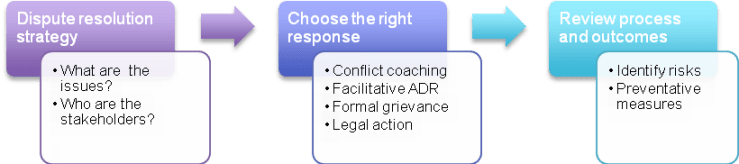
By combining extensive practical experience with theoretical understanding of the benefits and limitations of various dispute resolution methods, Desiree helps people and organisations to resolve problems constructively and cost-effectively. Services include:
- Strategic support to determine the best approach for the particular circumstances;
- Conflict coaching to empower individuals to solve the problem themselves;
- Facilitation and mediation to assist stakeholders to communicate and work together to find mutually acceptable and sustainable solutions; and
- Helping organisations to identify deficiencies in systems and processes that are contributing to costly outcomes.
Desiree’s approach is informed by the following key principles that support the achievement of positive outcomes: encourage a focus on interests; respond early; offer choice and control; and provide a fair process.
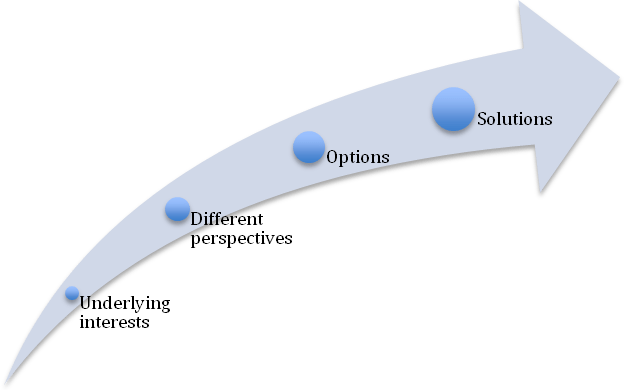
The root causes of interpersonal conflict lie in people’s perceptions and fears that their needs will not be met and the negative assumptions they make about the behaviour and motives of others. Helping stakeholders to uncover their underlying interests, understand other perspectives, and keep an open mind about how to solve the problem increases the possibility of finding mutually beneficial solutions. In contrast, approaching a dispute from an adversarial standpoint where it becomes a contest between competing positions that only one person can win is more likely to entrench differences making resolution more difficult.

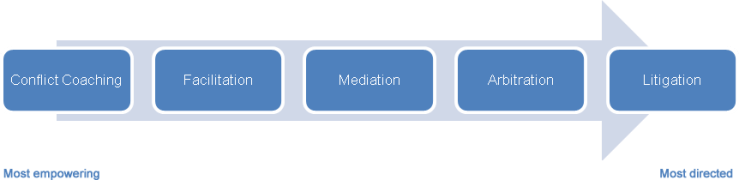
Responding to the early warning signs of conflict prevents issues from escalating making resolution easier and less costly. Interventions and resolution methods lie on a spectrum from the most empowering, where people have a high level of control over the outcome, to the most directed, where a third party decides for them. The choice depends upon the nature of the problem and the needs of the stakeholders. However the prospects of reaching sustainable and cost-effective solutions increase when people are empowered and supported to resolve issues themselves. Considerations of fairness include ensuring the impartiality and independence of third parties who receive complaints, investigate issues and intervene in helping to resolve the problem, and providing stakeholders with an opportunity to be heard before decisions are made that affect them.
 Desiree Scholz Coaching & Conflict Resolution